Trusted Tree Health Florence SC Service
Defining the Purpose of an Arborist: Essential Services for Tree Vitality and Maintenance
An tree specialist is indispensable for preserving tree vitality and long life. These experts utilize specialized knowledge to evaluate trees and develop specific care programs. This includes pruning, identifying diseases, and managing soil health. Arborists play a major role in fostering sustainable growth. Their expertise not only boosts the beauty of landscapes but also supports ecological balance. Grasping their main offerings can reveal the vital impact they have on city and country environments alike.
The Importance of Arborists in Tree Maintenance
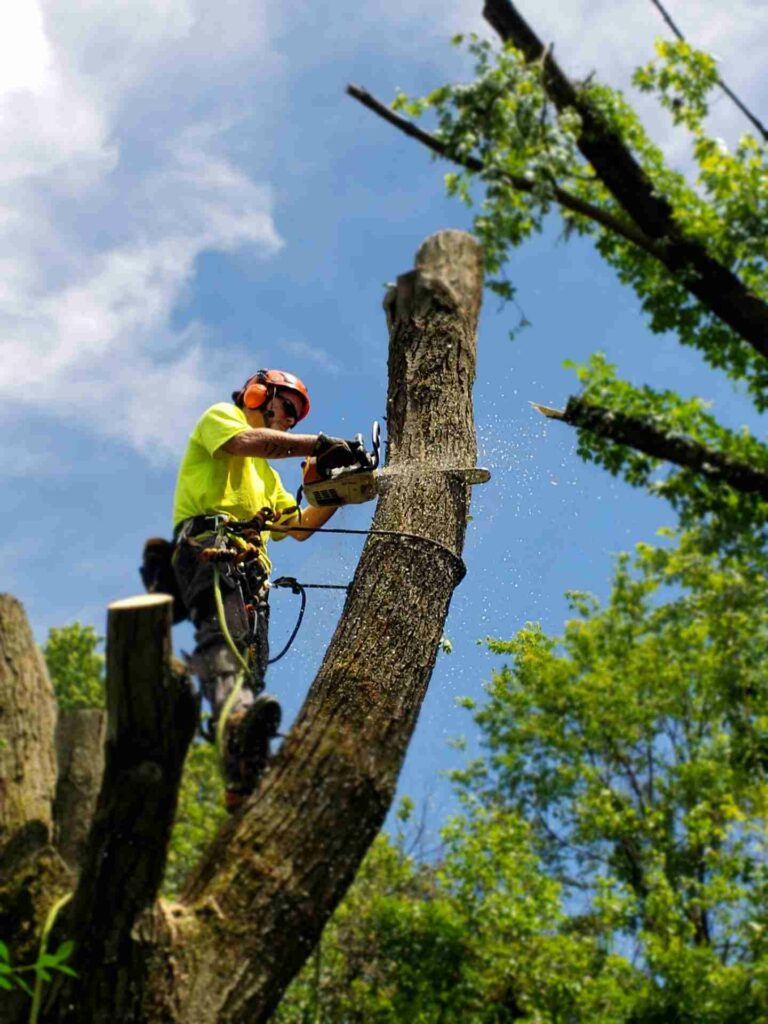
Although many property owners may overlook the role of arborists, their expertise is essential for sustaining tree vitality and long life. Tree specialists are skilled practitioners who are dedicated to the health and management of trees. Arborists have in-depth knowledge of tree biology, diseases, and environmental conditions affecting development. By examining tree health, arborists can spot potential concerns, such as pest problems to nutrient shortages.
Their services include a number of essential tasks, including soil care, tree evaluations, and general maintenance plans. Tree care experts also play a important role in ensuring trees are situated in appropriate locations, considering elements such as sunlight, drainage, and space for growth. Their guidance allows homeowners to make informed decisions that foster sustainable tree growth. By investing in arborist care, homeowners not only improve the visual appeal of their landscapes but also aid the ecological well-being of their environment, making certain trees grow strong for a long time.
Essential Tree Pruning Methods
Proper tree pruning techniques are vital for maintaining healthy and robust trees. Tree specialists utilize various methods to enhance tree structure, stimulate growth, and remove dead or diseased limbs. One essential technique is crown reduction, which involves carefully cutting back branches to increase light penetration and air flow. A further significant technique is raising the crown, where lower branches are pruned to enhance passage and viewing areas. Furthermore, the practice of crown trimming reduces the size of a tree’s canopy, lessening pressure while maintaining its shape.
Timing is also essential; it is usually best to prune during dormancy in the period between late winter and early spring. This minimizes sap loss and encourages healthy growth. Arborists recommend using sanitized, keen equipment to ensure accurate cuts, which assists in avoiding damage to the tree. Overall, these important procedures not only improve aesthetic appeal but also substantially aid the tree's total vitality and lifespan.
Planting and Transplanting Trees
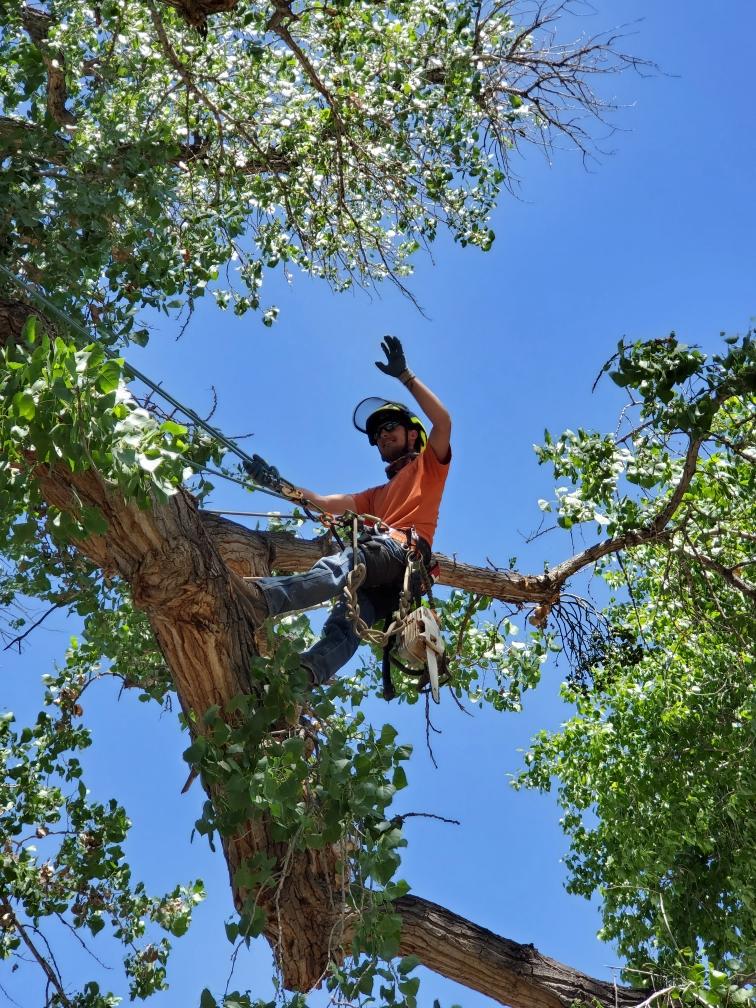
When planning the introduction of new trees, correct methods for planting and moving trees are crucial to secure their thriving development and integration into the landscape. Arborists stress the necessity of choosing the correct type of tree for the site conditions, as well as preparing the planting hole correctly. The hole must be sufficiently broad to allow space for the roots, allowing for proper spreading and air circulation
When transplanting, care must be taken to reduce disruption to the roots, which may impede the tree's capacity to become rooted in the new location. Arborists recommend transplanting during the period of dormancy to reduce stress on the tree
(Florence Arborist)Once planted or transplanted, adequate irrigation and mulching are crucial for aiding the tree's establishment. Arborists also advise monitoring the tree’s growth and adjusting care practices as needed to guarantee a healthy shift into the surrounding environment, thereby leading to a healthy setting
Identifying Tree Illnesses and Infestations
How do you successfully spot the indicators of tree maladies and infestations? Arborists utilize a keen understanding of the science of trees and site conditions to identify these problems. Symptoms such as leaves changing color, stunted growth, or early defoliation frequently signal hidden issues. Furthermore, the presence of unusual growths, such as abnormal swellings, may indicate disease or pest problems.
Arborists also check the outer layer for wounds, bores, or insect waste, which may suggest insect activity. Assessing the soil and the immediate surroundings helps identify factors causing stress, like poor drainage or nutrient deficiencies. Understanding seasonal cycles is crucial, because some pests appear at particular times.
Tree Condition Reports and Management Schedules
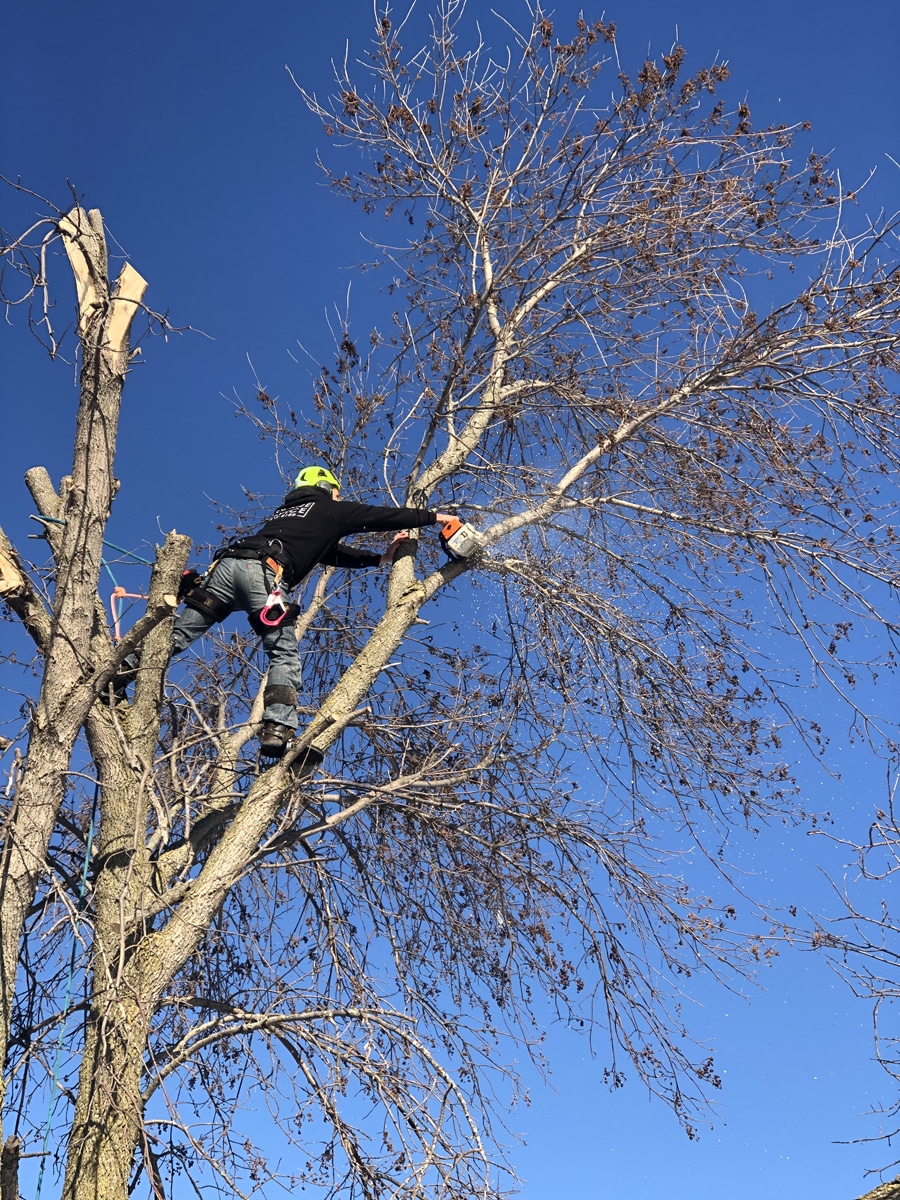
What approaches can be employed to ensure optimal tree health? Certified arborists usually commence with comprehensive tree health evaluations, which involve a detailed examination of the tree’s condition, including its framework, foliage, and root system. This assessment helps identify possible problems like diseases, pests, or environmental stressors. Subsequent to the assessment, a specific management strategy is created, addressing specific needs
Typical elements of these programs include proper watering schedules, fertilization techniques, and pruning practices to improve growth and resistance - Florence Arborist. Furthermore, tree specialists might suggest using mulch and handling the soil to improve nutrient availability and keep the soil damp. Consistent observation is crucial, which permits modifications to the management related content program if the environment evolves. Through the execution of these methods, the health and longevity of trees can be greatly improved, allowing them to prosper in their environment and also adding to the broader ecosystem
The Importance of Arborists in Municipal Tree Care
Arborists are vital in municipal tree care by managing and maintaining the well-being of trees in urban settings. Their expertise contributes greatly to the ecosystem's steadiness and visual appeal in city environments. Tree specialists participate in planting trees, ensuring appropriate species selection based on local conditions and urban planning needs. They perform routine health evaluations to identify diseases, pests, and structural issues, carrying out focused interventions to enhance tree health.
Furthermore, tree specialists create and implement care strategies covering trimming, feeding, and watering, improving tree growth and survival. Arborists also inform residents about the importance of trees and correct maintenance techniques. By collaborating with city planners and conservation agencies, arborists contribute to sustainable urban development, fostering biological diversity and bettering the air we breathe. Their job is essential in creating green spaces that serve both the community and nature, ultimately fostering healthier urban ecosystems.
Commonly Asked Questions
What is the Best Way to Find a Professional Tree Expert Near Me?
If you want to find a certified arborist in your vicinity, one can search online directories, ask at local nurseries, or contact tree care groups. Make sure to verify certifications and read reviews to guarantee excellent results.
What Credentials Should I Seek in an Arborist?
If you are hiring an arborist, it is important to find certifications such as ISA or ASCA, relevant experience, proper insurance, and a strong track record through reviews. These qualifications ensure professionalism and skill in arboriculture and health.
Is There a Best Time for Tree Pruning?
The best time for tree trimming is during late winter or the beginning of spring when trees are resting. Yet, some species are better suited for summer pruning. The schedule is based on the tree type and individual growing habits to ensure vitality and shape.
How Much Do Arborist Services Typically Cost?
Tree care services generally range between $300 and $1,500, depending on factors such as tree size, location, and the scope of the job - Florence Arborist. Costs can fluctuate significantly based on local market needs and service provider experience
Am I Able to Do Tree Work Without Professional Help?
Absolutely, you can manage basic tree care without professional help, such as watering and mulching. But, for advanced procedures, such as trimming or identifying illnesses, consulting a certified arborist is recommended to maintain healthy trees.